
Verifiable indicators for communicating sustainable aquaculture
On 19 February 2026, the VeriFish project will participate in AquaFarm 2026 (Pordenone, Italy) with a dedicated workshop focused on improving how sustainability in aquaculture and seafood is measured, communicated, and understood.
The session will present the VeriFish indicator framework and its associated digital tools, designed to translate complex sustainability data into clear, credible and actionable information for producers, value-chain actors, communicators, policymakers and consumers.
Workshop information
Title
VeriFish framework of indicators and tools for communicating sustainable aquaculture
Date & time
19 February 2026 | 14:30–15:30 (CET)
Location
Arena AquaFarm, Pordenone (Italy)
Format
Presentations followed by a moderated panel discussion with producers, certification bodies, researchers and sustainability organisations.
Panel discussion: key questions
The workshop will include a moderated panel discussion addressing topics such as:
Challenges and benefits of sharing sustainability data at farm level
What consumers expect when they hear “sustainable seafood”
Which indicators are most actionable for producers and communicators
How indicators can be used to improve trust and clarity in sustainability messaging
Learn more
🔗 Full agenda and practical information
https://www.aquafarm.show/eventi/workshop-a-cura-di-verifish/
Speakers
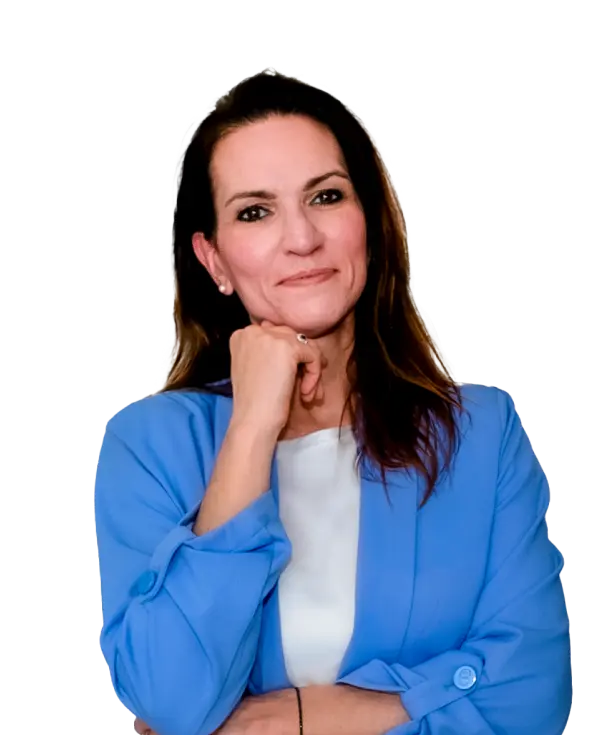
Sara Pittonet Gaiarin
Senior Manager, Trust-IT Services
Coordinator of the VeriFish project
Sara Pittonet Gaiarin coordinates the VeriFish project and has extensive experience in managing EU-funded initiatives focused on digital tools, stakeholder engagement and science-based sustainability communication.
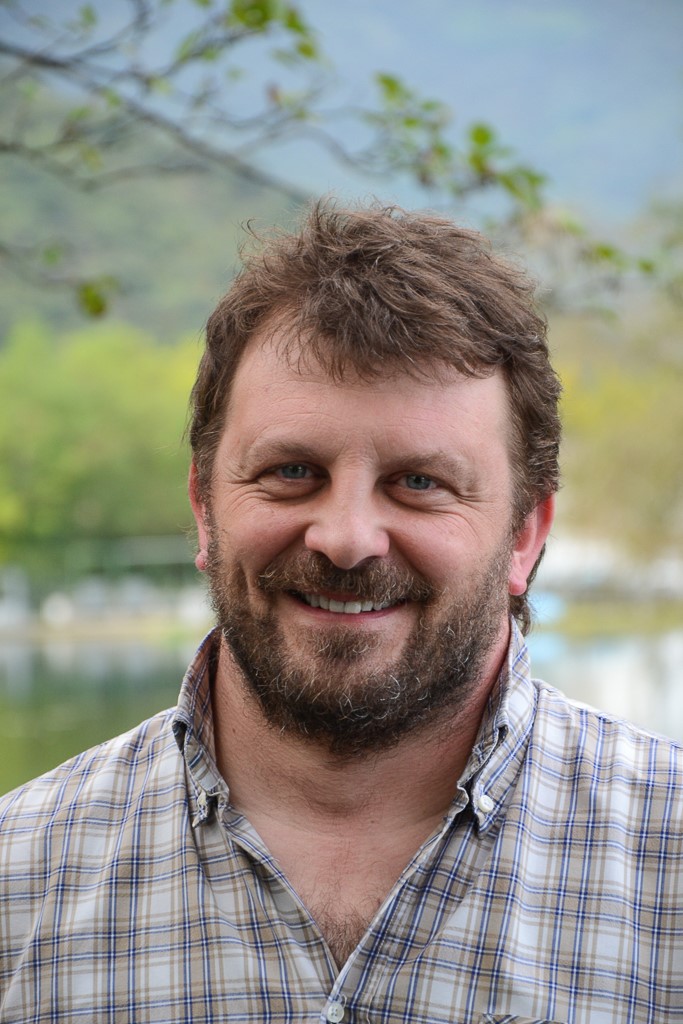
Andrea Fabris
Director, API – Chair, Fish Health & Welfare Commission
Andrea Fabris brings long-standing expertise in aquaculture production, animal health and welfare, and sector representation at national and European level.
Panellists
The panel discussion will include representatives from:
ENEA – Research and public policy perspectives on sustainability indicators
Aquaculture Stewardship Council (ASC) – Certification and market-driven sustainability approaches
Friend of the Sea – Voluntary sustainability standards and communication
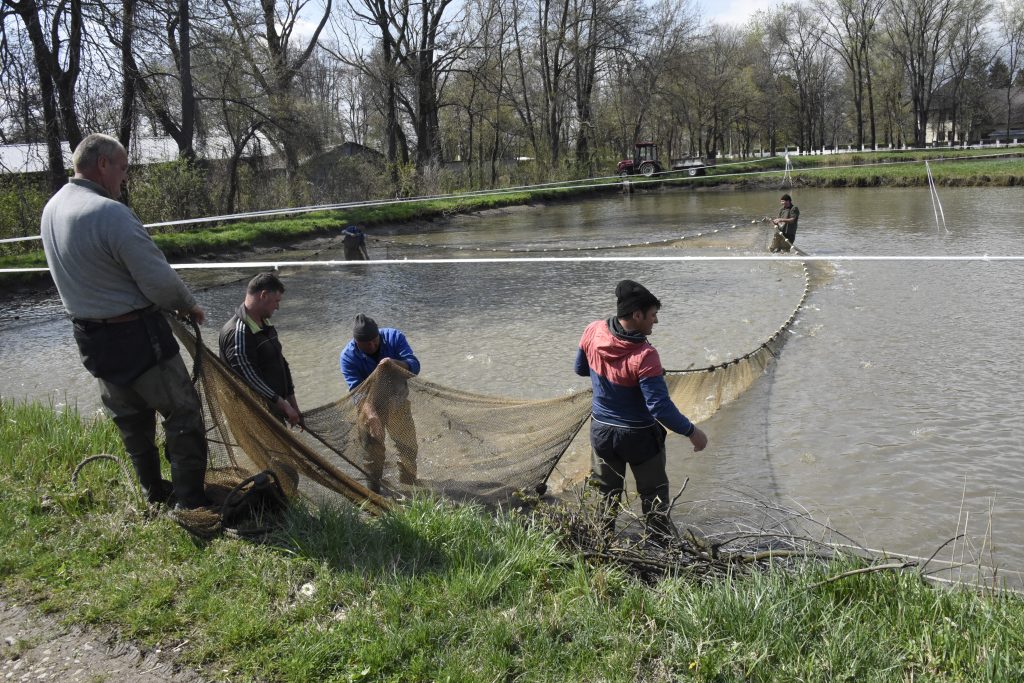
Aquaculture producers – Practical insights from production and value-chain operations
Together, the panel will explore how indicators can move from theory to practice, and how they can be used to improve trust, transparency and communication across the sector.
Why VeriFish is at AquaFarm
Aquaculture sustainability is increasingly scrutinised across multiple dimensions:
environmental performance, animal welfare, nutrition, social responsibility and economic viability. While a large amount of data already exists, it is often fragmented, difficult to interpret, or inconsistently communicated.
VeriFish addresses this challenge by developing a structured and verifiable indicator framework that:
Builds on internationally recognised datasets and guidelines
Prioritises indicators that are measurable, transparent and usable
Supports consistent sustainability communication across the seafood value chain
AquaFarm provides a unique opportunity to test this approach directly with aquaculture professionals and sector stakeholders.
The VeriFish indicator framework
The VeriFish framework is structured around three complementary sustainability pillars:
Environmental
Indicators related to ecosystems, biodiversity, resource use, and environmental pressures associated with seafood production.
Nutritional
Indicators describing the nutritional value of seafood products, based on recognised food composition data and public health guidelines.
Social & Economic
Indicators addressing labour conditions, governance, socio-economic context and responsible production practices.
All indicators are selected from publicly available, internationally recognised data sources, ensuring comparability, scientific robustness and transparency.
From indicators to practical tools
To make the framework operational, VeriFish has developed a set of digital and communication tools, including a web application that allows users to:
Explore sustainability parameters starting from individual species
Navigate information across the three sustainability pillars
Access verified data in a structured and user-friendly format
These tools are designed to support communication, education and informed decision-making, rather than certification or ranking.
The role of producers and value-chain actors
A core element of VeriFish is the integration of producer- and value-chain-provided data.
This information enables more granular and practice-based sustainability assessments, while requiring careful validation to ensure data integrity and trust.
During the AquaFarm workshop, VeriFish invites:
Aquaculture producers
Feed suppliers
Certification bodies
Retail and market actors
to review the framework, discuss data-sharing challenges and opportunities, and contribute directly to its refinement.
Who should attend
This workshop is designed for professionals who work with aquaculture sustainability data and need to turn information into credible, usable communication.
It is particularly relevant for:
Aquaculture producers and producer organisations
seeking to understand which sustainability indicators are realistic to provide, how production-level data can be used responsibly, and how transparency can support market positioning without adding unnecessary complexity.Certification schemes and sustainability initiatives
interested in how verifiable indicators can complement standards, support alignment across frameworks, and respond to evolving consumer and policy expectations.Communication professionals, retailers and market actors
who need clear, trustworthy sustainability information that can be translated into messages consumers actually understand and trust.Public authorities and policymakers
working on food systems, aquaculture governance, sustainability reporting or consumer information, and looking for structured, evidence-based approaches.Researchers and technical experts
involved in sustainability assessment, indicator development or data integration, who want to see how scientific information is operationalised in real-world communication tools.
Attendance is especially valuable for those who want to actively contribute feedback, challenge assumptions, and help shape practical tools for sustainability communication beyond the project itself.